
Written By Ogechi Cecilia Ofor
How would you feel if your phone buzzed at midnight not with a message from a friend, but with a threat from a stranger who somehow knows where you live, where you work, and what time you leave your house? Or imagine waking up to find that your face has been digitally edited onto nude/pornographic content and shared across the internet; images you never took and never consented to. For many women and girls, this is not a what-if situation. It is the reality.
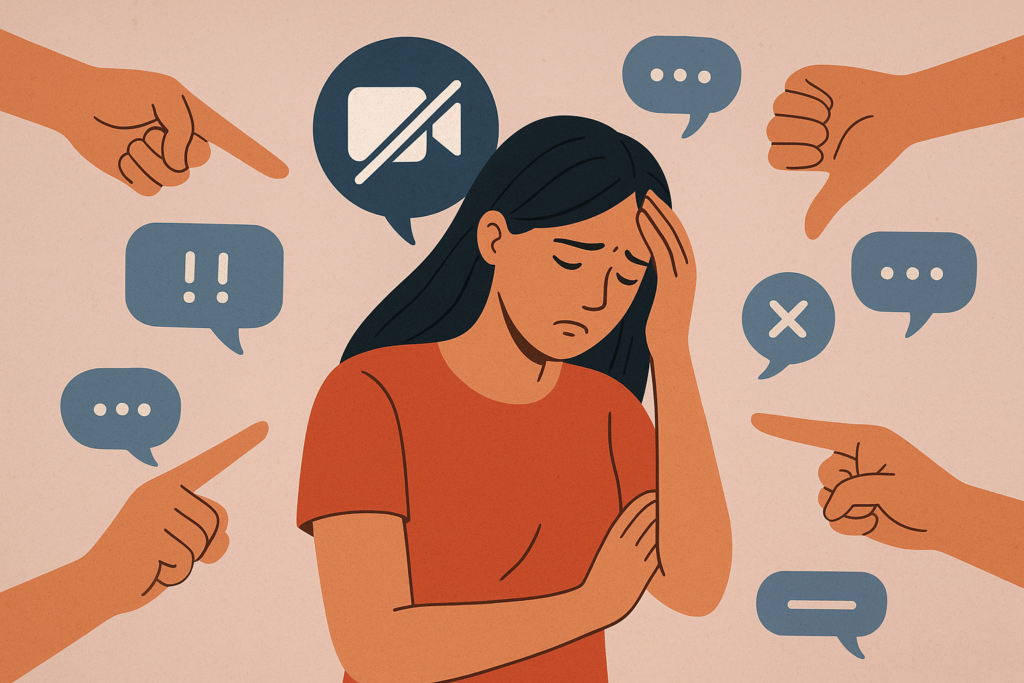
Technology has undoubtedly transformed our world, connecting us, educating us, and opening doors that once felt impossible to reach. But the same digital tools that empower us can also be twisted into weapons. And today, one of the fastest-growing forms of gender-based violence is digital abuse against women and girls. This includes harassment, threats, blackmail and exploitation carried out through phones, social media and online platforms.
These are not just online problems. They create fear in real life and follows women into their homes, workplaces and daily lives. Millions of women across the world have experienced online harassment, and reports show that cyberstalking and digital sexual abuse have sharply increased in recent years.
So, what exactly is Digital Abuse?
It is any form of harm, control, harassment, intimidation or exploitation carried out through digital tools phones, apps, social media, emails or online platforms. And women and girls are disproportionately targeted because of their gender. It includes threatening messages, unwanted sexual content, sharing private photos without consent, hacking accounts or online stalking. Digital abuse uses technology to intimidate, silence, shame or manipulate women and girls, harming their safety, dignity and confidence. What begins as one rude message grows into constant harassment, impersonation, blackmail or threats.
Examples from around the world includes:
- South Korea: The Nth Room scandal revealed how girls and young women were blackmailed into producing sexual content that was then shared with thousands on Telegram.
- India: The Sulli Deals and Bulli Bai apps displayed photos of Muslim women without consent and attempted to “auction” them online. https://www.bbc.com/news/world-asia-india-59835674

- Across Africa: Digital rights groups report rising incidents of intimate images being shared without consent often by former partners seeking revenge.
- In France, a teenager named Mila was forced into hiding after receiving waves of online death and rape threats.
These cases show a clear truth: what starts online does not remain online. The line between digital and physical safety blurs quickly. Women are left frightened, exposed and unprotected even in their own homes and communities. Digital abuse may be subtle, but its impact is painfully real. Making digital spaces safer requires awareness, stronger laws, responsible online platforms and communities that refuse to normalize abuse. Everyone has a role to play. Every woman and every girl deserves safety, both offline and online.